Review: Realtor Buyer Closing Checklist Template for Embroidery
As a designer who spends more time staring at stitch simulations than I do sleeping, I approach every new Graphic Templates asset with a healthy dose of skepticism. We've all been there: you download a file that looks crisp on the screen, only to find it turns into a bird's nest of thread once it hits the hoop. Today, I'm taking a close look at the Realtor Buyer Closing Checklist Template. While this asset is marketed primarily as a digital marketing tool for real estate agents, my job is to figure out if it holds up as a viable machine embroidery design for custom apparel and boutique products.
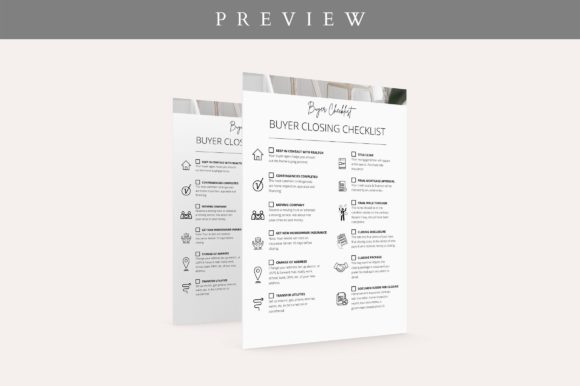
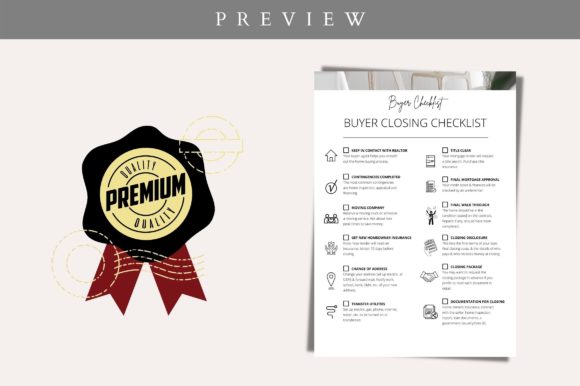
My first impression of the Realtor Buyer Closing Checklist Template is that it carries a very specific, professional mood. It isn't whimsical or overly decorative; it is structured, clean, and authoritative. For an embroidery project, this translates well into a modern, minimalist aesthetic. The layout typically features a checklist format, which offers a unique visual rhythm when translated into thread. However, the challenge with checklist-style graphics is maintaining legibility. In the world of Graphics, a thin line is just a pixel; in embroidery, a thin line is a precarious row of running stitch that can easily get lost on textured fabric.
Real-World Application: The Client Gift Scenario
To truly test the viability of this design, I imagined a real-life scenario that many of us face during the holiday season or peak real estate closing times. Picture this: a local boutique owner wants to create a high-end "Closing Day" gift package for their top-performing agents to give to home buyers. They want something useful but branded. My immediate thought was a heavy-canvas tote bag design or a structured apron for the new homeowners.
Using the Realtor Buyer Closing Checklist Template on a navy blue canvas tote creates a striking contrast. If executed with white or silver thread colors, the checklist becomes a functional piece of art. The homeowner can literally check off boxes as they move in. This transforms a standard digital embroidery file into an interactive handmade product. The visual personality of the template suggests organization and relief—exactly what a buyer feels when the deal is done. If the stitching is clean, this elevates the perceived value of the agent's brand significantly.
Another strong contender for this design is sweatshirt embroidery. Imagine a cozy crewneck for the real estate team themselves, wearing the checklist on the sleeve or across the chest as a badge of honor. It serves as an internal joke and a branding statement. However, sweatshirts often have a loopback texture that can swallow fine details. This is where the design's density matters. If the template relies too heavily on tiny text or intricate borders, it might not survive the pile of a fleece garment without significant digitizing adjustments.
Technical Considerations and Fabric Challenges
When evaluating any embroidery file for commercial use, we have to talk about the limitations of the medium. The Realtor Buyer Closing Checklist Template likely contains linear elements and perhaps some iconography associated with homes or keys. These elements need to be scrutinized before hooping.
- Small Hoop Sizes: If you are planning to put this on a cap or a baby onesie, you are working with limited real estate. A full checklist might be too crowded for a 4x4 hoop. You may need to isolate specific elements of the template rather than stitching the whole thing.
- Textured and Stretchy Fabrics: As mentioned with the sweatshirt, texture is the enemy of fine lines. On a pique polo or a waffle knit, a satin stitch border might sink in. Using a heavier cut-away stabilizer is non-negotiable here to prevent puckering.
- Detailed Corners and Tiny Lettering: Checklists imply text. If the template includes small print detailing the steps of buying a home, realize that embroidery cannot replicate 6-point font. You will likely need to simplify the text or replace it with symbolic stitches. If the design is purely graphical (boxes and checks), ensure the corners of the boxes are sharp and not rounded by the needle pull.
- Dark Fabric Backgrounds: Always test your thread colors against the fabric. A light gray thread on a black jacket might look sophisticated on screen but disappear in low light. High contrast is key for a checklist to remain readable.
Enhancing Brand Value and Customer Trust
Why go through the trouble of embroidering a checklist instead of just printing it? The answer lies in the tactile nature of a finished product. An embroidered item signals permanence and quality. For an Etsy seller or a craft business owner specializing in corporate gifts, offering an embroidered version of a closing checklist sets you apart from the sea of paper printables. It turns a disposable document into a keepsake.
The Realtor Buyer Closing Checklist Template, when stitched correctly, exudes professionalism. It tells the client that the agent pays attention to details—even down to the thread count. This builds trust. For commercial embroidery projects, consistency is vital. If you are producing these for a franchise, every stitch must look identical. This requires strict attention to stitch density and tension settings. A sloppy checklist looks like a mistake; a crisp one looks like a strategy.
Practical Notes for the Embroidery Designer
Before you commit to stitching this on a client's expensive garment, here is my practical advice based on years of trial and error:
- Test on Scrap First: Never skip this step. Stitch the Realtor Buyer Closing Checklist Template on the exact same fabric weight and type you intend to use for the final product. Check for registration issues.
- Review Stitch Density: If the design feels stiff or board-like after stitching, the density is too high. This is common in fill stitch areas. You may need to adjust the underlay or reduce the fill percentage in your editing software.
- Check Licensing: Since this originates as a marketing template, verify the license terms. Can you use it for physical goods? Can you sell the embroidered patch or the finished shirt? Do not assume a graphic template license covers physical manufacturing.
- Mockup Testing: Create a black and white mockup of the design on your intended product. This helps you see the silhouette and balance without being distracted by color. Does the checklist look balanced on the left chest, or does it demand a larger back placement?
- Consider the End User: Will this item be washed frequently? If it's a kitchen towel or an apron, the design needs to withstand agitation. Secure all jump stitches and consider a satin column border to protect the edges of the design from fraying over time.
In conclusion, the Realtor Buyer Closing Checklist Template offers a fascinating bridge between digital utility and tangible craft. It is not just a picture; it is a functional concept that, when translated into thread, can become a powerful tool for branding and personalized gifts. Whether you are creating holiday embroidery for clients or stocking your small shop product line with unique real estate-themed gear, this design has potential. But like any good project, its success depends entirely on the execution. Respect the limitations of the needle, choose your materials wisely, and you can turn a simple checklist into a standout piece of wearable art.