Real Estate Moving Checklist
As an embroidery designer and product reviewer, I often find myself evaluating digital files for their practicality in real-world projects. The Real Estate Moving Checklist caught my attention not just for its utility, but for how it could translate into a variety of handmade and commercial embroidery applications.
First Impressions: A Clean, Functional Design
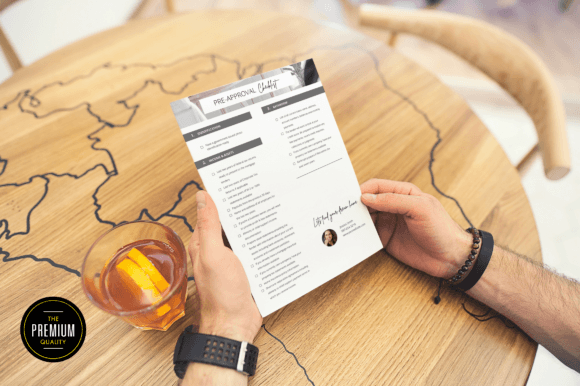
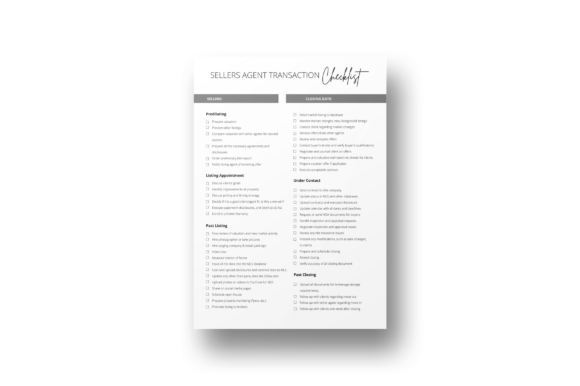
The Real Estate Moving Checklist has a straightforward, no-nonsense aesthetic. It’s designed with clarity in mind—each section is clearly labeled, and the layout is easy to navigate. This makes it ideal for use in custom apparel, like tote bags or sweatshirts, where readability is key. The design doesn’t scream for attention, but it doesn’t fade into the background either. It has a professional look that feels right at home on a client’s personal or business item.
The visual personality of the design is understated but effective. It’s not overly ornate, which means it can be adapted to different fabric types and color schemes without losing its identity. That versatility is a big plus for embroidery designers looking to offer something practical yet stylish.
Real-Life Embroidery Scenarios
When considering how the Real Estate Moving Checklist would perform in real-life embroidery situations, it’s important to think about where and how it might be used. For example, if you’re creating a custom embroidered tote bag for a real estate agent, this design would work well as a subtle, functional addition. It could also be used on baby clothes, where clear, simple text is essential for both aesthetics and usability.
On a sweatshirt or cap, the design would need to be scaled appropriately. The stitch density isn’t too heavy, so it should hold up well on most fabrics. However, I’d recommend testing it on a scrap piece of fabric first, especially if you're working with thin or stretchy materials. The design’s simplicity helps it maintain clarity even on smaller hoop sizes, making it a good fit for patches or small applique designs.
For holiday or wedding gifts, the Real Estate Moving Checklist could be part of a larger theme. Imagine a personalized pillow cover with this checklist as a central feature, paired with some seasonal embroidery. It adds a touch of thoughtfulness without being overwhelming.
Where to Be Careful
While the Real Estate Moving Checklist is a solid design, there are a few areas where care is needed. If you're planning to use it on dark fabric, make sure the thread colors contrast well. On light fabrics, the design may appear too faint unless you adjust the stitch density or use a more vibrant thread color.
For textured or stretchy fabrics, the design might not sit as smoothly as you'd like. In those cases, using the right stabilizer is crucial. Also, if you're working with curved surfaces like caps, the design may require slight adjustments to ensure it lies flat and looks clean after stitching.
Small details, like tiny lettering or decorative accents, should be inspected closely. Even a minor flaw in the embroidery file can become more noticeable when stitched onto a finished product. Always check the design in black and white mockups to see how it will look on different backgrounds.
Impact on Visual Appeal and Customer Perception
The Real Estate Moving Checklist has a strong visual appeal when executed properly. It enhances the value of any handmade product by adding a professional touch. Customers appreciate when a design is clear, well-structured, and easy to read—especially if it’s meant to be used in a practical way.
In terms of customer trust, a well-executed embroidery project can make a big difference. Whether it’s a custom apron for a real estate agent or a personalized gift for a friend, the Real Estate Moving Checklist adds a layer of thoughtfulness that resonates with buyers. It also reinforces brand consistency, especially if you're using it as part of your craft business or Etsy listings.
From a buyer engagement standpoint, the design is versatile enough to be used in multiple contexts. It’s a great fit for printable mockups, digital product previews, and even commercial embroidery projects. Its simplicity makes it easy to adapt, which is a huge advantage for creative entrepreneurs looking to expand their offerings.
Practical Designer Notes
Before jumping into a full project, I always recommend testing the Real Estate Moving Checklist on scrap fabric. This allows you to see how the design looks in real life and identify any potential issues early on. Check the thread color contrast, especially if you’re working with dark or light fabrics.
Review the stitch density to ensure it’s appropriate for your chosen fabric. If the design is too dense, it might cause puckering or stiffness. Confirm the hoop size required for the design, and make sure your machine can handle it. For intricate details, double-check that the design is sharp and well-defined.
If you're planning to sell finished items or digital products, confirm the licensing terms before proceeding. The Real Estate Moving Checklist is described as a premium template, so it’s worth verifying whether it’s suitable for commercial use.
Overall, the Real Estate Moving Checklist is a reliable design that can be adapted to a wide range of embroidery projects. With careful consideration and proper execution, it can elevate your handmade products and add value to your craft business.