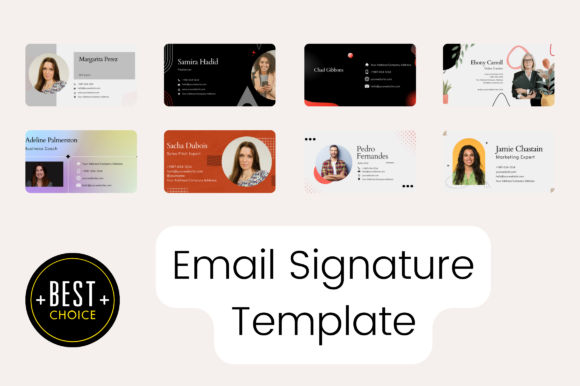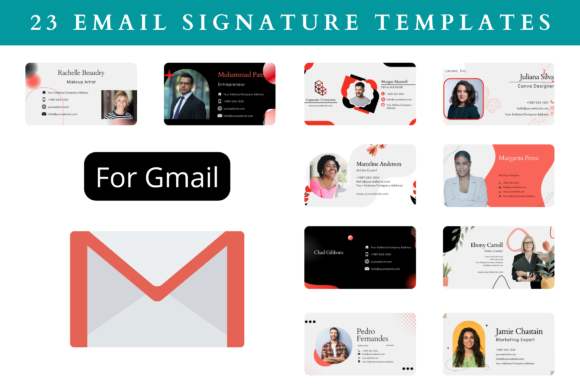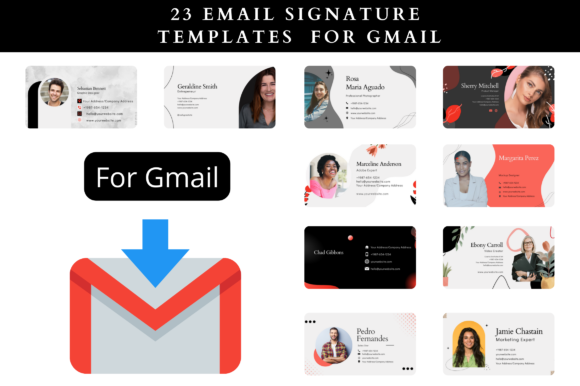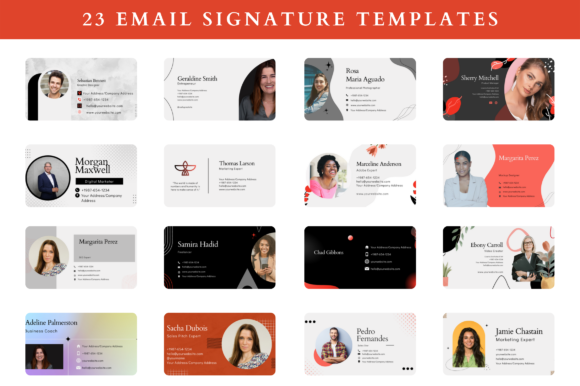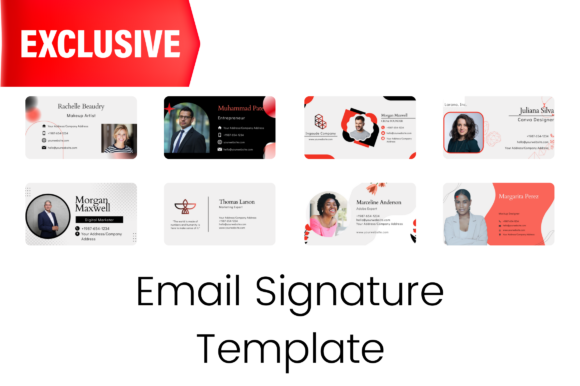
Email Signature Templates for Gmail
As an embroidery designer and product reviewer, I often find myself evaluating digital assets that could enhance a project or streamline a workflow. Email Signature Templates for Gmail fall into this category. While they may not seem like traditional embroidery designs, their potential to influence branding, professionalism, and customer perception makes them worth a closer look.
The First Impression: Style and Structure
From the moment you open Email Signature Templates for Gmail, the design feels polished and intentional. The layout is clean, with a balance of text and visual elements that suggest professionalism without being overwhelming. The theme is modern, making it suitable for a variety of industries—from small business owners to creative entrepreneurs.
The design’s structure is straightforward, which is a benefit when considering how it might translate to physical embroidery. It’s not overly complex, which means it can be adapted to different sizes and formats without losing clarity. This simplicity also helps in ensuring that the final embroidered product remains legible and visually appealing.
Real-World Use Cases: From Tote Bags to Holiday Gifts
Imagine you’re working on a custom embroidered tote bag for a client who runs a boutique. The Email Signature Templates for Gmail could serve as inspiration for the design’s typography and layout. The same templates might also be useful when creating a sweatshirt or apron for a craft fair, where a professional appearance can make a big difference in customer engagement.
For baby items, such as onesies or nursery decor, the templates offer a refined aesthetic that aligns with the delicate nature of the product. They could also be used in holiday gifts or wedding favors, where a touch of elegance is essential. The design’s versatility makes it a valuable asset for any embroidery project that requires a cohesive, professional look.
Challenges in Embroidery: When to Be Cautious
While Email Signature Templates for Gmail are visually appealing, they may not be ideal for every embroidery situation. For instance, if you're working with small hoop sizes, the design’s detail level could become problematic. Tiny lettering or intricate corners might not stitch well, leading to a less-than-perfect finished product.
Textured fabrics, thin materials, or stretchy garments can also pose challenges. The design’s stitch density may need adjustment to ensure it sits well on these surfaces. Dark fabrics may require a different thread color to maintain visibility, while layered garments might need extra stabilizer to prevent shifting during stitching.
Key Considerations for Embroidery Designers
- Test on scrap fabric first: Always check how the design looks on your intended material before committing to a full project.
- Check thread color contrast: Ensure the colors used in the design work well with your fabric and stitching style.
- Review stitch density: Adjust the density if needed to avoid puckering or distortion on sensitive fabrics.
- Confirm hoop size: Make sure the design fits within your machine’s hoop limitations.
- Inspect small details: Pay attention to corners, lines, and lettering to ensure they remain clear after stitching.
- Test in black and white mockups: This helps identify any issues with contrast or clarity.
- Compare light and dark backgrounds: Some designs may look great on one but not the other.
- Use proper stabilizer: Stabilization is key for maintaining the integrity of the design on various fabrics.
- Check commercial use rights: Confirm that the design is licensed for both personal and commercial projects.
Impact on Visual Appeal and Branding
Email Signature Templates for Gmail can significantly affect the visual appeal of an embroidered product. A well-designed signature can elevate the overall look of a handmade item, making it more attractive to customers. It also plays a role in building brand consistency, especially for small businesses or Etsy sellers who rely on a strong visual identity.
When used effectively, these templates can increase customer trust and recognition. A professional-looking embroidery project is more likely to be perceived as high quality, which can lead to better sales and repeat business. For personalized gifts or custom apparel, the design’s clarity and style can make a lasting impression on the recipient.
Practical Tips for Designers and Sellers
If you're an embroidery designer or digital product seller, consider how Email Signature Templates for Gmail might fit into your workflow. They could be useful for creating printable mockups or digital product previews, helping clients visualize the final result before placing an order.
For craft business owners, these templates can be a helpful tool when designing email signatures for client communication. A professional email signature adds a layer of credibility and can improve buyer engagement. It also reinforces the brand image associated with your handmade products or custom embroidery services.
Final Thoughts: A Useful Asset for the Right Project
Email Signature Templates for Gmail may not be a traditional embroidery design, but their influence on branding, presentation, and customer perception makes them relevant for many embroidery projects. Whether you're working on a custom tote bag, a baby onesie, or a holiday gift, the right design can make all the difference.
As with any design asset, it's important to test and adapt the template to suit your specific needs. By paying attention to detail, adjusting for fabric type, and ensuring proper stitch execution, you can turn these templates into a valuable part of your embroidery workflow.