Buyer Closing Checklist Graphics & Print Templates
As a designer who regularly works with branding, marketing visuals, and printable products, I always look for high-quality design assets that can elevate a client’s project without requiring hours of custom work. The Buyer Closing Checklist has caught my attention as a practical tool that could streamline the final stages of a real-world client project. Let me walk through how this asset might fit into a creative workflow and what to consider before using it commercially.
First Impressions: A Professional Yet Accessible Visual Mood
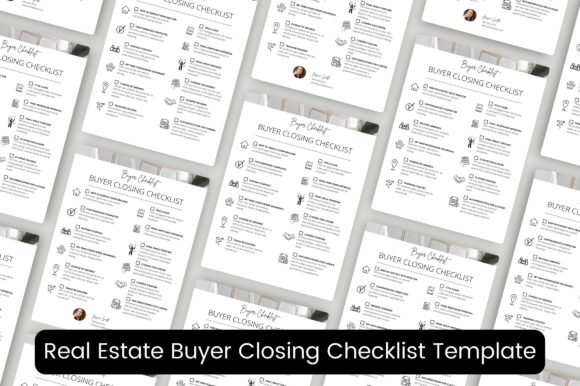
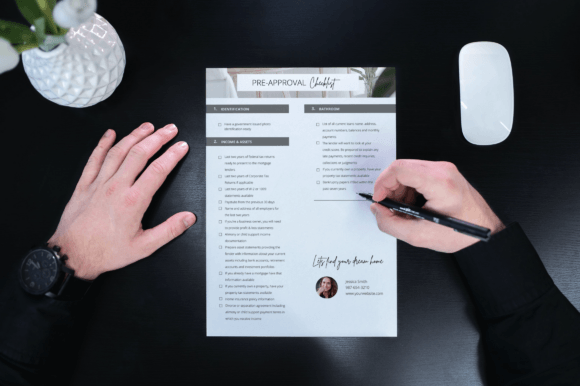
The first thing I noticed about the Buyer Closing Checklist is its clean, organized layout. It feels like a professional document that could be used in a real estate or business setting, which immediately makes it relevant for clients who need to present a polished, structured visual. The design elements—such as checklists, icons, and clear typography—create a sense of order and reliability. This is exactly the kind of visual mood that small businesses, handmade brands, or local event organizers might want to convey when communicating with clients or stakeholders.
The use of bold headings and simple lines gives it a modern design feel, making it suitable for both digital and print applications. As a graphic design asset, it doesn’t scream “template,” but it also doesn’t feel overly generic. It strikes a balance between being functional and visually appealing, which is key when working on commercial design projects.
Real-World Design Applications
When considering where the Buyer Closing Checklist fits best, I see it as a strong candidate for projects that require a structured visual hierarchy. For example, if a client is launching an online product or managing a seasonal campaign, this checklist could serve as a supporting brand element that reinforces their professionalism and organization.
It could also be useful in packaging design, where a checklist might help customers navigate a product or service. In social media graphics, the format could be adapted into a downloadable resource or a branded post that guides users through a process. For a t-shirt design or mug, the checklist could be simplified into a decorative icon or a minimalist layout that still communicates clarity and purpose.
This asset would also work well in a design bundle meant for Etsy products or print-on-demand sellers. Its editable nature in Canva means it can be quickly customized for different audiences, whether it’s a handmade business looking to add value to their offerings or a boutique product line needing a cohesive visual identity.
Where It Excels: Large Layouts and Themed Campaigns
The Buyer Closing Checklist shines in large layout areas, such as hero graphics or product mockups. When scaled up, the details remain legible, and the structure of the checklist maintains its integrity. This makes it ideal for themed collections, campaign visuals, or even editorial design projects that require a clear, consistent format.
For Cricut projects or sticker designs, the checklist could be broken down into individual elements—like icons or text boxes—that can be easily printed or cut. It also lends itself well to sublimation design, where a clean layout can translate smoothly onto fabrics or other surfaces.
Where to Use It Carefully: Minimalist Branding and Complex Backgrounds
While the checklist is versatile, there are situations where it might not perform as well. In minimalist branding or professional corporate materials, the design may feel too busy or cluttered. Similarly, if placed on a complex background or in a low-contrast environment, the readability could suffer.
For projects that require very clean visual hierarchy, the checklist might need to be simplified or reworked. It’s important to test it at different sizes and on various backgrounds to ensure it maintains its effectiveness across different mediums.
Impact on Readability and Brand Consistency
One of the most important factors in any design asset is how it affects readability and brand consistency. The Buyer Closing Checklist uses clear typography and logical spacing, which helps maintain a strong visual hierarchy. This is especially valuable for small business branding, where a consistent look across all touchpoints is crucial.
From a design perspective, it’s worth testing this asset in black and white to see how it holds up without color. Also, checking contrast on light and dark backgrounds ensures that it remains legible in different environments. If used in a digital ad or social media post, it should be previewed at both small and large sizes to confirm that the details remain visible and effective.
Practical Designer Notes: What to Check Before Using
Before using the Buyer Closing Checklist for a client project, I recommend doing a few key checks. First, review the file formats—whether it’s an SVG design, PNG design, or Canva template—to make sure it aligns with your workflow. If transparency is involved, inspect the PNG design to ensure it doesn’t have unwanted borders or backgrounds.
Also, compare it with different font styles. Does it work with a serif font, a sans serif font, or a script font? Testing these variations can help determine how flexible the asset is for different brand identities. Finally, always confirm the commercial license before using it for a client or business project. Even premium assets can have restrictions that need to be understood upfront.
Final Thoughts: A Useful Creative Asset for the Right Project
The Buyer Closing Checklist is a solid graphic design asset that could be a valuable addition to a designer’s toolkit. It offers a professional look that can support a wide range of projects, from handmade businesses to print-on-demand sellers. However, like any design asset, it’s important to evaluate it carefully based on the specific needs of the project and the target audience.
If used thoughtfully, it can enhance the visual mood, improve the overall impression, and save time in the design process. Whether you're working on a logo design, packaging design, or social media graphics, the Buyer Closing Checklist is worth considering as part of your creative design arsenal.